Source Frosting Eye Cream Bottle for Skin Care, Packaging, and Storage
Compare 30 options for a frosting eye cream bottle suitable for skin care, personal care, and gift packaging. Buyers can evaluate plastic or glass materials, sealing types, and customization features like silk screen printing or embossment.
Key considerations
Products List

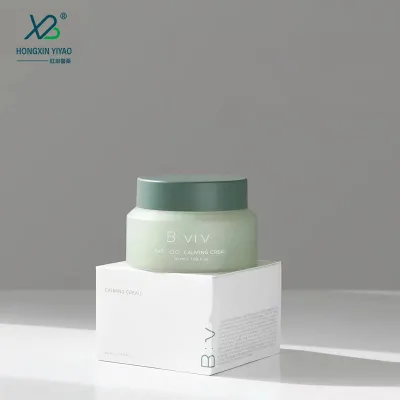


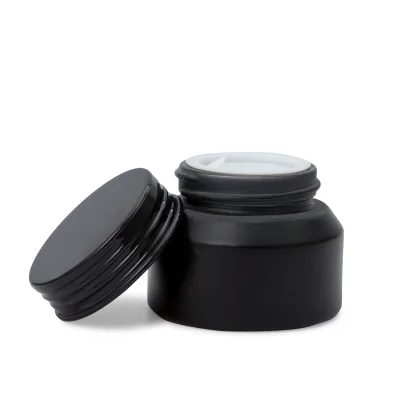


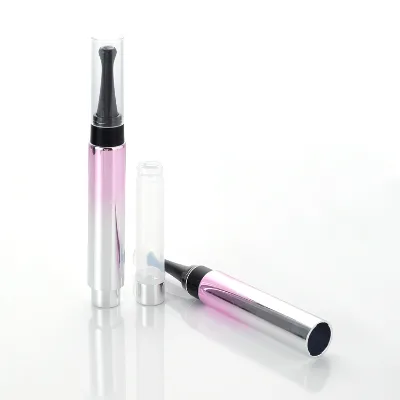

Comprehensive Sourcing Guide
Frosting Eye Cream Bottle Sourcing Guide
Sourcing high-quality packaging for eye cream products requires a nuanced understanding of material properties, aesthetic finishes, and functional integrity. The "frosting" finish, often achieved through frosted plastic or acrylic materials, offers a sophisticated matte appearance that diffuses light and conceals the contents, which is particularly desirable for premium skincare lines. Buyers must navigate a market where suppliers offer a wide array of customization options, from bottle shapes and sealing mechanisms to logo application techniques. This guide provides a structured approach to evaluating suppliers, verifying technical specifications, and ensuring compliance with industry standards for cosmetic packaging.
The procurement process for eye cream bottles involves balancing aesthetic appeal with practical storage requirements. Eye creams are sensitive formulations that require protection from light, air, and contamination to maintain efficacy. Consequently, the choice of bottle material, whether plastic, glass, or acrylic, and the sealing method, such as screw caps or pump sprayers, are critical decision points. This guide focuses on the specific attributes observed in current market listings, including volume capacities, dimensional constraints, and surface handling techniques, to help buyers make informed decisions that align with their brand identity and operational needs.
Product Scope and Observed Listing Signals
The current market for eye cream packaging features a diverse range of products, primarily constructed from plastic, glass, or acrylic materials. Listings indicate that the "frosting" effect is a common surface treatment, often combined with other finishes like silk screen printing or embossment. The observed product attributes suggest a strong emphasis on customization, with suppliers offering options for multi-color designs, transparent or frosted finishes, and various cap types including screw caps, pumps, sprays, and droppers. This variety allows brands to tailor the packaging to specific product positioning, whether targeting unisex markets or specific gender demographics.
Volume and dimensional specifications vary significantly across suppliers, reflecting the different formulations and brand requirements for eye creams. Observed standard volumes include 10ml, 15g, 30g, and 50g, with corresponding bottle heights and diameters that influence shelf presence and user experience. For instance, some high-bottle designs measure 114mm in height with a 63mm diameter, while others may be more compact. The "square bottle" format is also noted for makeup creams, indicating that shape versatility is a key feature. Buyers should carefully match these physical attributes to their product’s viscosity and dispensing needs to ensure optimal consumer interaction.
Technical Specifications to Verify
Verifying the technical specifications of eye cream bottles is essential to ensure compatibility with the product formulation and filling equipment. Key parameters to confirm include the bottle material composition, such as whether the body is plastic or glass, and the collar material, which may be glass or plastic. The sealing type is another critical factor; while screw caps are common, pump sprayers and droppers offer different dispensing experiences. Buyers must verify that the chosen sealing mechanism provides an airtight seal to prevent oxidation and contamination, which is particularly important for active ingredients in eye creams.
Surface handling and printing techniques significantly impact the final aesthetic and durability of the packaging. Common techniques observed include frosting, silk screen printing, embossment, and foil stamping in gold or silver. The thickness of the material, often around 1 cm for certain components, affects the bottle’s rigidity and perceived quality. Additionally, the hardness of the bottle, described as "partial hard," influences its resistance to cracking during transport and use. Buyers should request samples to assess the tactile quality of the frosting finish and the adhesion of any printed logos or designs to ensure they meet brand standards.
Compliance and Safety Documentation
Compliance with international safety and quality standards is non-negotiable for cosmetic packaging. Buyers must verify that suppliers hold relevant certifications such as ISO22716, GMPC, TUV Sud, and FDA compliance, which indicate adherence to good manufacturing practices and material safety. These certifications ensure that the packaging materials are safe for contact with skincare products and do not leach harmful substances into the formulation. Additionally, MSDS (Material Safety Data Sheet) documentation should be available to confirm the chemical safety of the materials used in the bottle and cap construction.
Waterproofing and durability are also critical compliance aspects, especially for products that may be used in humid environments like bathrooms. The "waterproof" attribute observed in some listings suggests that the packaging is designed to withstand moisture without degrading. Buyers should inquire about specific test results related to chemical resistance, drop testing, and seal integrity. Ensuring that the packaging meets these rigorous standards not only protects the product but also safeguards the brand from potential liability issues related to product safety and quality.
Cost Drivers and Commercial Terms
The cost of eye cream bottles is influenced by several factors, including material choice, customization complexity, and order volume. Observed price ranges vary widely, from as low as $0.05 to $1.90 per unit, depending on the specifications and quantity. Customization options such as unique shapes, special finishes, or complex logo applications can increase production costs. Buyers should also consider the MOQ (Minimum Order Quantity), which ranges from 10 to 50,000 units, as larger orders typically benefit from economies of scale. Understanding these cost drivers helps in budgeting and negotiating favorable terms with suppliers.
Commercial terms such as sample time, production time, and payment conditions are crucial for supply chain planning. Sample production typically takes 4-6 days, while full production may require 25-30 days after receiving the deposit. Buyers should factor in these lead times when planning product launches and inventory management. Additionally, packing options, whether standard export cartons or customized packaging, can affect shipping costs and efficiency. Clear communication regarding these terms ensures a smooth procurement process and minimizes the risk of delays or unexpected expenses.
Supplier Qualification and Quality Control
Selecting a reliable supplier involves thorough qualification and quality control measures. Buyers should verify the supplier’s production capabilities, including their ability to handle customization requests and maintain consistent quality across large batches. The "hongxin" brand and other listed manufacturers should be evaluated based on their track record, customer reviews, and ability to meet specific technical requirements. Requesting detailed product catalogs and case studies can provide insights into the supplier’s expertise and reliability.
Quality control processes should be clearly defined and agreed upon before production begins. This includes pre-production sample approval, in-process quality checks, and final inspection before shipment. Buyers should specify acceptance criteria for visual defects, dimensional accuracy, and functional performance. Implementing a robust quality control plan helps identify and rectify issues early, reducing the risk of receiving substandard products. Regular communication with the supplier throughout the production process ensures that any deviations from the agreed specifications are addressed promptly.
Long-Term Procurement Checks
Long-term procurement success depends on establishing a sustainable and adaptable supply chain. Buyers should regularly review supplier performance metrics, including on-time delivery rates, product quality consistency, and responsiveness to issues. Building a strong relationship with suppliers can lead to better pricing, priority production slots, and collaborative innovation in packaging design. Additionally, staying informed about industry trends and regulatory changes ensures that the packaging remains compliant and competitive in the market.
Continuous improvement in procurement practices involves evaluating the total cost of ownership, including logistics, storage, and potential waste. Buyers should consider the environmental impact of packaging materials and explore sustainable options if aligned with brand values. Regularly updating the supplier base and diversifying sources can mitigate risks associated with supply chain disruptions. By maintaining a proactive approach to procurement, buyers can ensure a steady supply of high-quality eye cream bottles that support their brand’s growth and customer satisfaction.
FAQs
What materials are used for the bottle?
The bottle is primarily made of plastic, though glass, frosted, and acrylic options are also available. Some components like the collar may be glass. This allows for versatile design choices to match specific cosmetic packaging needs.
Can the product be customized with a logo?
Yes, customization is available for logos using techniques like embossment, gold foil, silver foil, and printing. Frosting and silk screen printing are also supported handling methods to ensure the branding meets your specific aesthetic requirements.
What is the sample time for this item?
The sample time is typically 4 to 6 days after the request is made. This allows buyers to verify the quality and design before committing to a larger production run for their cosmetic or personal care products.
Which certifications does the product hold?
The product holds several certifications including TUV Sud, ISO22716, GMPC, MSDS, and FDA. These standards ensure the packaging meets safety and quality requirements for skin care and personal care applications in various markets.
How long is the production time?
Production takes 25 to 30 days after receiving the deposit. This timeline applies to the manufacturing process for the high bottle shape with a pump sprayer or screw cap, depending on the specific order requirements.
What is the MOQ for this product?
The minimum order quantity ranges from 10 to 50,000 units depending on the supplier and specific configuration. Buyers should check individual listings to confirm the exact MOQ that fits their purchasing volume and budget.
Where is the product manufactured?
The product originates from Ningbo and Guangzhou in China. These locations serve as the primary production hubs for these cosmetic packaging items, ensuring efficient logistics and supply chain management for international buyers.